
Skill Durability and Transferability
Esports, Trumpet, and Ulcers

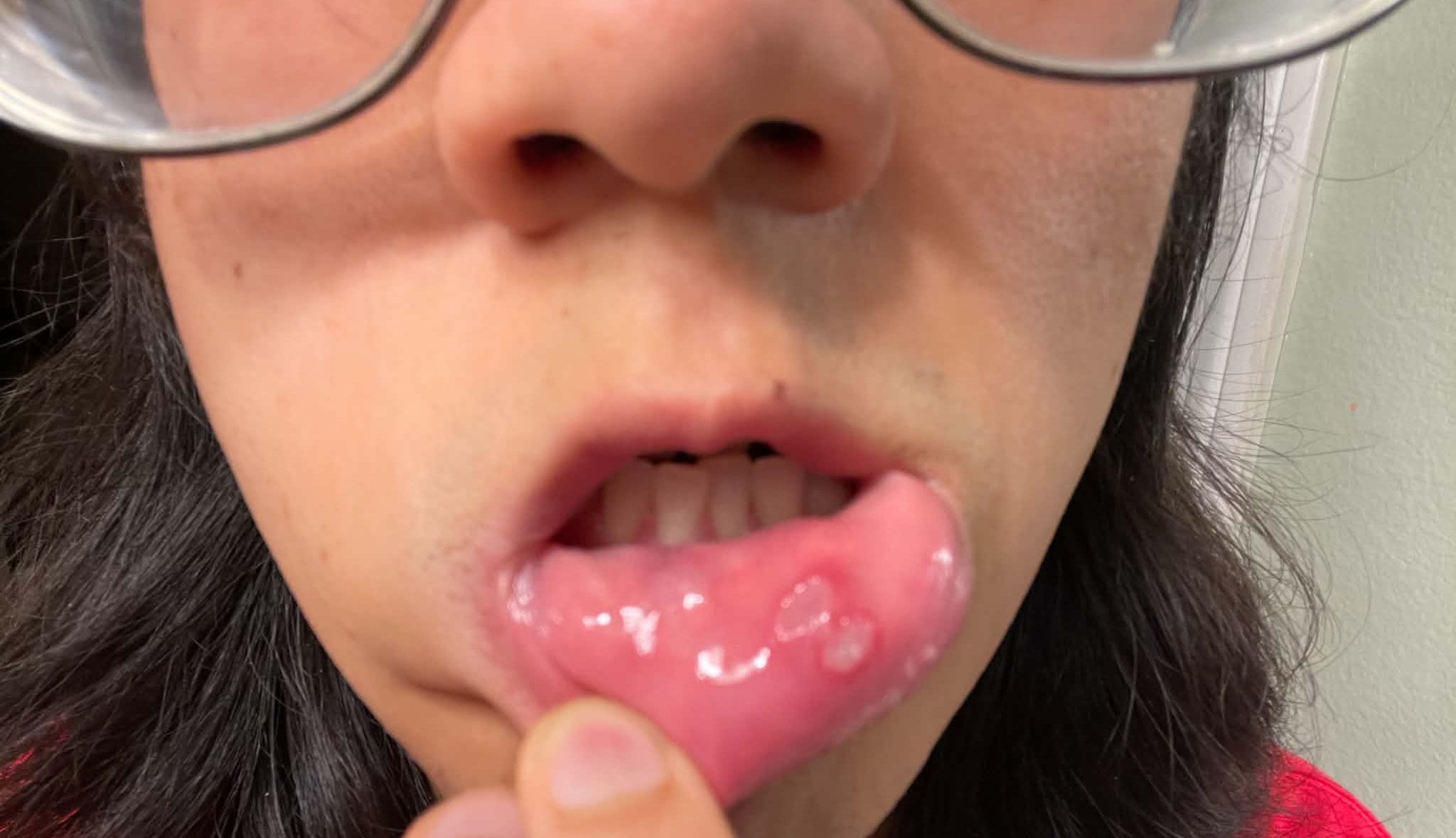
I’ve been a bit down on the trumpet lately. I’ve got some canker sores near my front lip, so I haven’t been able to play for a week. To be clear, canker sores are mouth ulcers, not mouth herpes. No, they’re not contagious. Yes, they are nasty. I think it’s genetic, because my daughter, mother, and grandfather all get them too.
Ulcers aside, I’ve learned that trumpet skill atrophies quickly over time. Brass instruments require well-developed face muscles, known as the embochure. It’s not just about pressing the right buttons and blowing; you also need to form your lips in just the right shape, similar to whistling. It takes years of exercise to develop the strength and control to play well. Moreover, the embouchure atrophies without regular practice. Even the best players would lose their muscles and go back to sounding like a middle schooler if they took a few months off the horn (according to /r/trumpet).
I’m in my mid-thirties now, and I feel like I’ve become more aware of time. I’ve used up a third of my life, and only have so much more to go. My most neuroplastic years are behind me, and I am saddled with the responsibilities of a job and family – learning is harder than it’s ever been. But at the same time, I have over half my life ahead of me. It is still worth investing in myself. There is scarcity on both sides; I am time-constrained on what I am able to learn, and I want to make the most of what I do learn.
This economic calculus appears all over the place in education. Grade school and undergraduate students are praised for broad curiosity – learn how to learn, for the love of learning. As people age, their priorities shift towards the payoff. The most popular postgraduate schools are those with obvious financial payouts: business, law, and medical school are popular stepping stones to high-paying careers, while MFAs (Masters’ of Fine Arts) and philosophy PhDs are rare oddities.
This logic applies for entertainment consumption as well. I want to develop hobbies that I can enjoy for a long time. This longevity evaluation is apparent in esports culture. Players want to invest time into games they believe will last a long time. Sudden drops in player counts are lambasted with “Dead game!”. While hyperbolic, this fear is not unfounded. The recent spat of live-service failures has made streamers and professional players wary of any new kid on the block. This all serves to further fortify the incumbents.
Skill transferability is a consolidation prize to game death. Even if you can’t play that original game anymore, it’s possible that the skills you developed will translate into proficiency at another game. Sequels usually offer the most skill transfer, but copycats and spiritual successors are also appealing. Most Valorant pros are former Counter-strike pros. Moreover, early Valorant pros were more willing to invest in the fledgling game despite its uncertain future, with the confidence that their skill would still be transferable back to Counter-strike if Valorant flopped.
Genre moats created by skill transferability even extends to control schemes. There is an entire subgenre of “block button fighting games” where the control scheme uses a dedicated block button. This is unlike traditional games like Street Fighter where blocking is a joystick input (hold back, away from the opponent) rather than a button. Muscle memory plays a large role in fighting games, where reaction time is crucial. So something as simple as “I’m not used to pressing that button” will create moats between games.
This all begs the question – why do we care about developing skill in a hobby? Isn’t the hobby itself enjoyable, regardless of your skill level? Or, if skill acquisition itself is pleasurable, shouldn’t you be happy just enjoying the process of “getting good” and not worry about the future application? It seems masochistic to seek out a hobby where there is a “minimum height to ride”, and you are too short. I can’t answer those questions right now, due to a lack of time and wisdom.
What I will say is this: I enjoy trumpet. I enjoy playing trumpet, despite being bad at it. I enjoy the process of practicing and improving. In a parallel universe where I first touched a trumpet five years from now, I think I would have still enjoyed the process. But, for some reason, I am fearful of developing trumpet skills that will fade away with time. And that fear of the future makes me less willing to practice trumpet today.